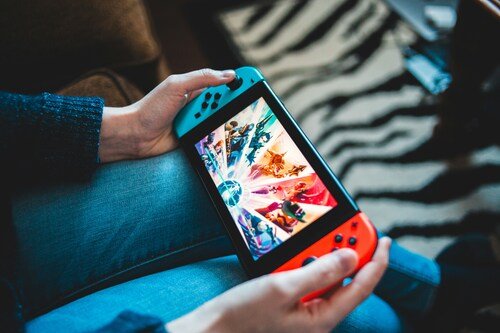
What Are Co-op Games?
Co-op games, short for cooperative games, are video games that allow players to work together towards a common objective. In contrast to competitive games where players vie against each other, co-op gameplay emphasizes collaboration, coordination, and teamwork. Players often tackle challenges, solve puzzles, or engage in combat alongside their friends or online partners, solidifying a shared gaming experience.
The defining characteristic of co-op games is their focus on cooperative gameplay. This type of interaction fosters a unique bond among players as they must rely on each other’s strengths and weaknesses to progress. Success in these games often hinges on effective communication and strategy, providing an engaging environment that encourages social interaction. Genres that frequently incorporate co-op features include action, strategy, role-playing games (RPGs), and even simulation titles. Each genre offers distinct elements that can enhance teamwork, whether it is strategizing in a tactical battle or coordinating actions in a fast-paced adventure.
The history of co-op gaming is rich and diverse, evolving significantly over the decades. Early examples of co-op mechanics can be traced back to various arcade games in the 1980s, where players could join forces to tackle obstacles. As technology developed, so did co-op gaming, with titles like “GoldenEye 007” and “Resident Evil” emerging in the 1990s, which introduced innovative ways for players to collaborate. Today, co-op gaming continues to flourish, driven by advancements in online connectivity and game design. With the advent of multiplayer online games, players now enjoy an unprecedented level of accessibility, allowing for varied and immersive cooperative experiences. The increasing popularity of co-op games underscores their enduring appeal as enjoyable pastimes for friends and communities alike.
Top Co-op Games to Play with Friends
Cooperative gaming has become an essential part of the gaming experience, allowing friends to work together toward common objectives. Here are some of the best co-op games that enhance teamwork and camaraderie among players.
Overcooked! 2 is a fun-filled cooking simulation game where players work in chaotic kitchens to prepare dishes while managing time and resources. Its engaging gameplay mechanics foster communication and coordination, making it ideal for players who enjoy fast-paced challenges. The colorful graphics and quirky animations add to the game’s charm, creating a light-hearted atmosphere perfect for gatherings.
Deep Rock Galactic transports players into the role of dwarven space miners who band together to complete mining missions on dangerous alien planets. This cooperative first-person shooter combines elements of exploration, resource management, and combat. The randomized missions and procedural generation ensure that each gaming session feels unique, encouraging players to strategize and support one another as they delve into the depths of subterranean worlds.
It Takes Two is another standout title that focuses on a narrative-driven experience, delivering an emotional story about a couple navigating their differences. This action-adventure game relies heavily on cooperation, featuring distinct gameplay mechanics like puzzle-solving and platforming. Its delightful graphics and charming characters have captivated audiences, inviting players to engage deeply with both the gameplay and the storyline.
Borderlands 3 is an excellent pick for fans of action RPGs and first-person shooters. With its unique cel-shaded graphics, humorous storytelling, and extensive world-building, this game offers a perfect blend of cooperative loot-collecting and combat. Players can engage in thrilling battles together while exploring expansive environments filled with surprises.
These games represent just a fraction of what the co-op gaming genre has to offer, ensuring that friends can always find something enjoyable to play together, regardless of their preferences or platforms.
Benefits of Playing Co-op Games with Friends
Engaging in co-op games with friends offers a variety of benefits that extend beyond mere entertainment. First and foremost, these games foster teamwork, requiring players to collaborate toward a common goal. This collaborative nature can significantly enhance interpersonal relationships, as players must communicate effectively, strategize, and rely on one another’s strengths to overcome challenges. In a co-op gaming setting, every player plays a crucial role, which not only encourages respect for each other’s abilities but also fosters a sense of shared responsibility.
Moreover, the social aspect of co-op gaming cannot be overlooked. It serves as a platform for friends to bond, share experiences, and create memories together. During gameplay, players often find themselves celebrating victories, reflecting on challenges faced, and even laughing at humorous moments that arise. These shared experiences contribute to stronger friendships, as they offer opportunities to connect on different levels outside of usual social interactions.
Co-op games also provide valuable lessons in collaboration, which can translate into real-life problem-solving skills. Players learn to communicate effectively, negotiate different viewpoints, and devise collective solutions under pressure. The inherently interactive nature of these games encourages players to develop patience and adaptability, as they must often adjust their strategies in response to teammates’ input or unexpected challenges.
Furthermore, the joy of achieving goals together in a co-op setting enhances the sense of accomplishment among friends. Whether it is conquering a challenging level, completing a quest, or simply leveling up in the game, these achievements tend to galvanize the group and fortify their bonds. Ultimately, co-op games can serve as a powerful tool for reinforcing friendships and nurturing interpersonal connections through the delightful fusion of fun, teamwork, and shared objectives.
Tips for Maximizing Your Co-op Gaming Experience
Co-op gaming offers a unique opportunity for friends to bond over shared challenges and victories. To enhance this experience, consider the dynamics of your group when selecting games. Different games appeal to different personalities. For instance, while strategic turn-based games may suit analytical players, fast-paced action titles may thrill those who enjoy quick reflexes and coordination. It is pivotal to choose games that cater to the preferences and strengths of all participating players, ensuring an inclusive and enjoyable environment.
Effective communication is key during co-op sessions. Establishing clear channels of communication can help teammates coordinate their actions seamlessly. Utilize voice chat applications or in-game tools to facilitate discussions regarding strategies and objectives. Encouraging an open dialogue where players can express their thoughts promotes collaboration and helps prevent misunderstandings that can lead to frustration. Remind everyone to stay focused on the goal and to respect each other’s insights, creating a supportive space for everyone.
Disagreements and varying playstyles may arise during intense gaming sessions. Addressing these issues constructively is essential. Should a conflict arise, take a step back and discuss the different perspectives calmly. Flexibility is key—being willing to adapt one’s approach can lead to more cohesive teamwork. In addition, rotating roles can help players experience different aspects of the game, nurturing empathy and understanding among team members.
Finally, make gaming sessions fun by incorporating rituals or themes, such as snack time, costume themes, or celebrations for in-game achievements. Setting up a dedicated gaming environment can enhance immersion and excitement. By paying attention to these elements, your co-op gaming experience will likely be memorable and enjoyable for all participants.